Advancing Animal Health Through R&D in Veterinary Science
- rogersmith04
- Oct 2, 2025
- 4 min read
In recent years, the field of veterinary science has seen remarkable advancements. These developments are not just about treating sick animals; they are about improving overall animal health and welfare. Research and development (R&D) play a crucial role in this progress. By focusing on innovative solutions, veterinary science is transforming how we care for our pets, livestock, and wildlife.
The importance of R&D in veterinary science cannot be overstated. It leads to new treatments, better diagnostics, and improved preventive measures. This blog post will explore how R&D is advancing animal health, the challenges faced, and the future of veterinary science.
The Role of R&D in Veterinary Science
R&D in veterinary science encompasses a wide range of activities. These include:
Developing new medications: Researchers are constantly working to create new drugs that can treat various animal diseases. This includes everything from antibiotics to vaccines.
Improving diagnostic tools: Accurate diagnosis is essential for effective treatment. R&D helps develop better diagnostic tests that can quickly identify diseases.
Enhancing animal nutrition: Nutrition plays a vital role in animal health. Research in this area focuses on creating better feed formulations that meet the specific needs of different species.
Studying animal behavior: Understanding how animals behave can lead to better care practices. R&D in this area helps improve animal welfare and management.
Each of these areas contributes to a holistic approach to animal health. By investing in R&D, we can ensure that animals receive the best possible care.
Innovations in Veterinary Medicine
One of the most exciting aspects of R&D in veterinary science is the innovation it brings. Here are some notable advancements:
1. Gene Therapy
Gene therapy is a groundbreaking approach that involves altering the genes inside an animal's cells to treat or prevent disease. This technique has shown promise in treating genetic disorders in pets, such as certain types of muscular dystrophy.
2. Telemedicine
Telemedicine has gained popularity in recent years, especially during the COVID-19 pandemic. It allows veterinarians to consult with pet owners remotely. This innovation makes veterinary care more accessible, especially for those in rural areas.
3. Vaccination Advances
Vaccines have been a cornerstone of animal health for decades. Recent R&D has led to the development of more effective vaccines that provide longer-lasting immunity. For example, new vaccines for canine parvovirus have significantly reduced the incidence of this deadly disease.
4. Personalized Medicine
Just like in human medicine, personalized medicine is becoming a reality in veterinary science. This approach tailors treatments to the individual needs of each animal, considering factors like genetics and lifestyle.
These innovations are not just theoretical; they are being implemented in clinics and farms around the world.
Challenges in Veterinary R&D
Despite the progress, R&D in veterinary science faces several challenges:
Funding: Research can be expensive. Securing funding for veterinary studies is often more difficult than for human medical research.
Regulatory Hurdles: The approval process for new drugs and treatments can be lengthy and complex. This can slow down the introduction of new therapies.
Public Awareness: Many people are unaware of the importance of veterinary R&D. Increasing public understanding is essential for garnering support and funding.
Collaboration: Effective R&D often requires collaboration between various stakeholders, including universities, private companies, and government agencies. Building these partnerships can be challenging.
Addressing these challenges is crucial for the continued advancement of animal health.
The Future of Veterinary Science
Looking ahead, the future of veterinary science is bright. Here are some trends to watch:
1. Increased Focus on Preventive Care
Preventive care is becoming a priority in veterinary medicine. This includes regular check-ups, vaccinations, and nutritional counseling. By focusing on prevention, we can reduce the incidence of diseases and improve overall animal health.
2. Integration of Technology
Technology will continue to play a significant role in veterinary science. From wearable devices that monitor an animal's health to advanced imaging techniques, technology is enhancing our ability to care for animals.
3. Global Collaboration
As animal health issues are often global, international collaboration will become increasingly important. Sharing knowledge and resources can lead to more effective solutions for animal health challenges worldwide.
4. Emphasis on One Health
The One Health approach recognizes the interconnectedness of human, animal, and environmental health. This perspective is gaining traction in veterinary science, leading to more comprehensive health strategies.
These trends indicate a shift towards a more integrated and proactive approach to animal health.
Real-World Impact of R&D
The impact of R&D in veterinary science can be seen in various real-world scenarios. For instance, the development of a new vaccine for feline leukemia has significantly reduced the number of cases in cats. This not only improves the health of individual animals but also enhances the overall well-being of the feline population.
Another example is the use of telemedicine during the pandemic. Many pet owners were able to consult with veterinarians without leaving their homes. This innovation ensured that animals continued to receive care, even during challenging times.
These examples highlight the tangible benefits of R&D in veterinary science.
The Importance of Education and Training
Education and training are vital components of advancing animal health. Veterinarians and veterinary technicians must stay updated on the latest research and techniques. Continuing education programs and workshops can help professionals enhance their skills and knowledge.
Moreover, educating pet owners about animal health is equally important. When pet owners understand the significance of regular veterinary visits and preventive care, they are more likely to seek help for their animals.
Conclusion: A Bright Future for Animal Health
The advancements in veterinary science through R&D are paving the way for a healthier future for animals. With ongoing research, innovative treatments, and a focus on preventive care, we can ensure that our pets, livestock, and wildlife receive the best possible care.
As we continue to invest in R&D, we must also work to overcome the challenges that lie ahead. By fostering collaboration, increasing public awareness, and prioritizing education, we can create a brighter future for animal health.
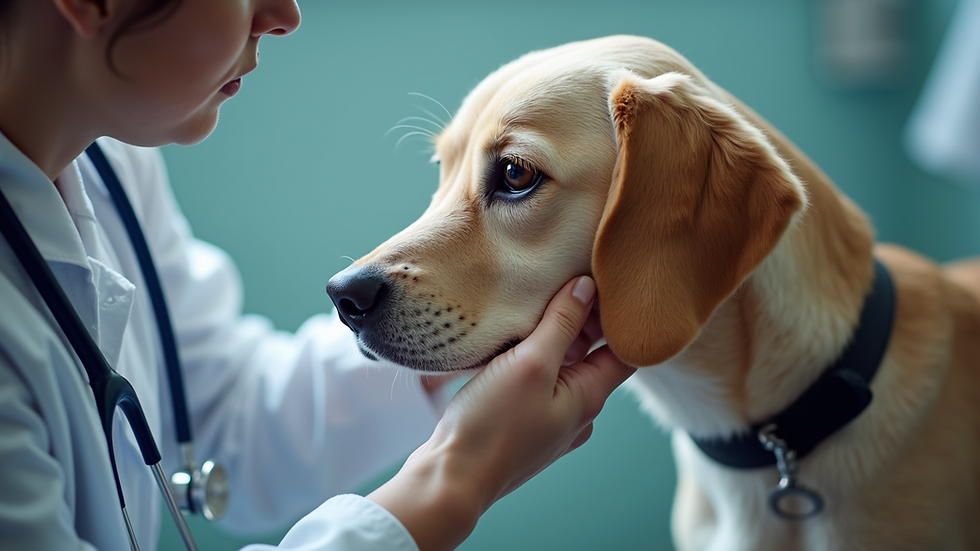
The journey of advancing animal health is ongoing, and every step we take brings us closer to a world where animals thrive. Let us continue to support R&D in veterinary science and champion the health and well-being of all animals.


Comments